Engineering Safety, Dignity & Hope for All
We do not simply produce shelters. We manage an end-to-end humanitarian ecosystem spanning structural R&D, rapid crisis logistics, local builder empowerment, and multi-year community adaptation.
Four Core Pillars of Finselfer Operations
Addressing every phase of the displaced person journey with scientific rigor and human-centered architectural principles.
1. Precision Humanitarian Engineering
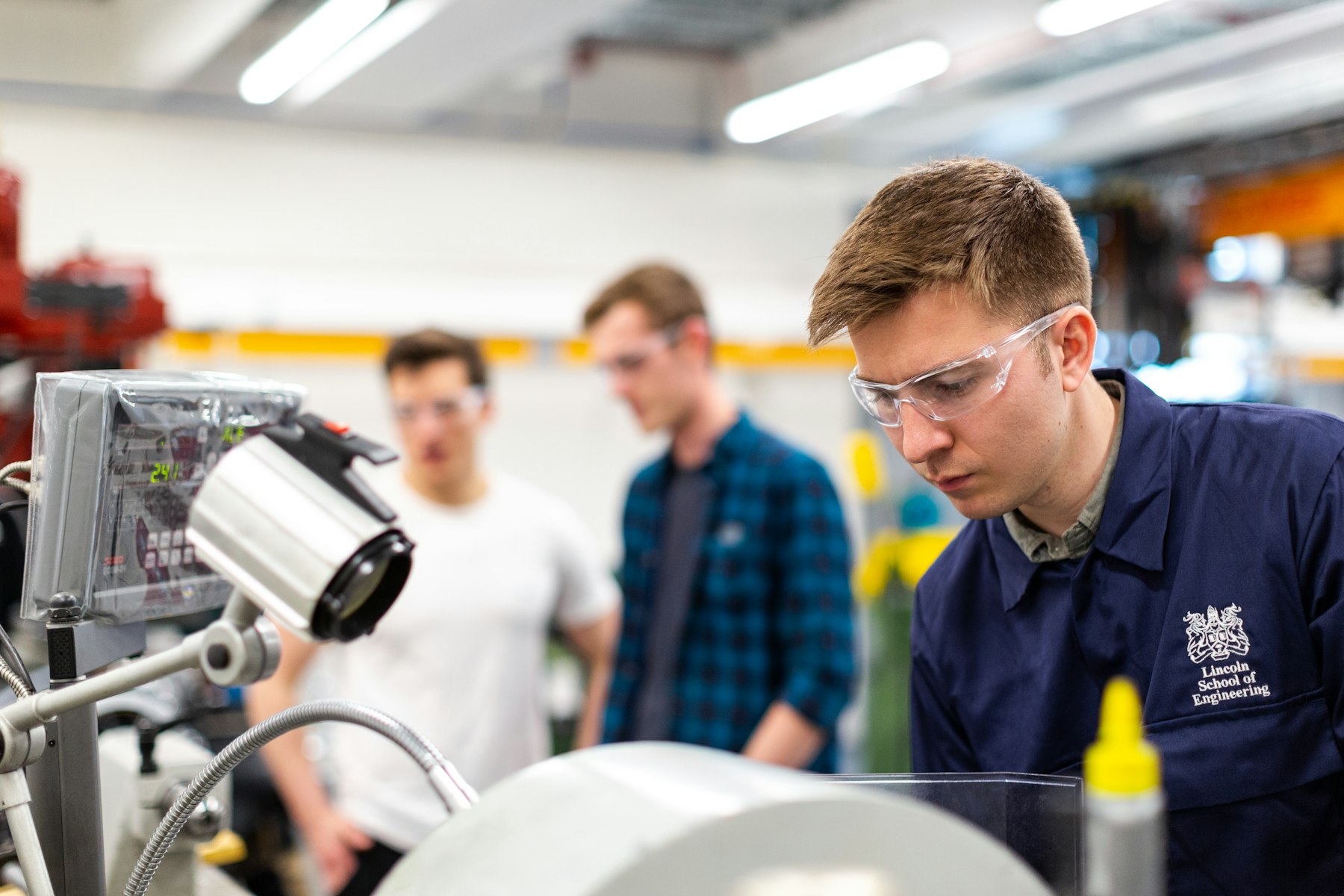
We eliminate traditional structural vulnerabilities of emergency camps. Through rigorous wind-tunnel testing, thermal modeling, and finite-element analysis, our shelters withstand gale-force winds, monsoons, and extreme temperature variations.
- Zero proprietary tools or heavy machinery required.
- Lightweight galvanic steel framework engineered for earthquake resistance.
- Integrated solar micro-grids deliver off-grid lighting and communication.
2. Rapid Prepositioned Logistics
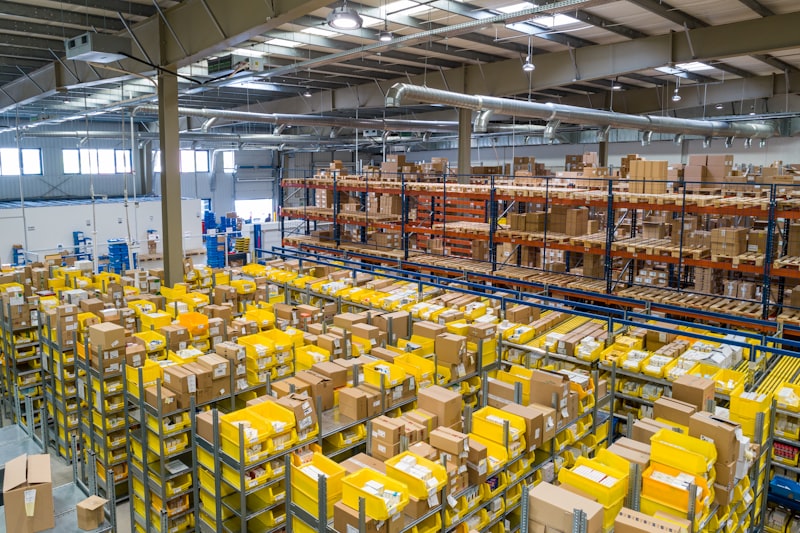
Disaster relief is a race against exposure and hypothermia. Finselfer maintains strategic stockpiles in Geneva, Dubai, Panama, and East Africa, ready to charter freight within hours of emergency declaration.
- High packing density: 300+ shelters packed per standard freight carrier.
- Two modular boxes per unit, easily carried by two aid workers.
- Seamless border customs clearance documentation pre-cleared for UN missions.
3. Community Empowerment & Assembly Training
We train displaced persons and local humanitarian personnel as certified shelter assembly leads. This builds vocational pride, provides cash-for-work opportunities, and establishes autonomous maintenance capacity inside the settlements.
- Pictographic, language-neutral installation manuals included in every carton.
- On-ground "Train-the-Trainer" field workshops and mobile video guides.
- Over 65% of local assembly teams composed of settlement residents.

The Finselfer Deployment Pipeline
How our multidisciplinary teams transition crisis from initial impact to structured, dignified recovery.
Stage 1: Crisis Assessment & Stockpile Mobilization
Within hours of a cyclone, conflict escalation, or earthquake, our technical desk cross-references GIS mapping data and climate forecasts to mobilize appropriate thermal and terrain anchoring configurations from the nearest logistics hub.
Stage 2: Multimodal Last-Mile Freight
Units travel via cargo aircraft or maritime containers before transitioning to flatbed 4x4 trucks and human porters to reach remote displaced settlements inaccessible to heavy vehicles.
Stage 3: Community-Led Camp Erection
Local certified teams train camp leaders. Each shelter is assembled in under 4 hours by 4 people, immediately unlocking private living quarters, secure doors, and evening solar power.
Stage 4: Adaptation, Extension & Long-Term Upgrades
As situations evolve from immediate emergency to protracted displacement, modular units can be interconnected into health clinics, temporary classrooms, child-friendly spaces, or disassembled and relocated when returning home.